
Japanese space startup blames laser tool for 2nd moon crash
Successful landing would have marked 1st moon landing by a private Asian company
By Berk Kutay Gokmen
ISTANBUL (AA) – Japanese space startup ispace Inc. said Tuesday that its second failed attempt to land a spacecraft on the moon was caused by an anomaly in its laser range finder.
According to a statement on the company’s website, ispace was investigating the crash of its lunar lander, Resilience, which occurred in early June.
This marked the company's second unsuccessful moon landing attempt following an effort in 2023 using a different spacecraft. Had it succeeded, Resilience would have become the first lunar lander by a private Asian firm.
Resilience began its descent on June 6, but the laser range finder — designed to measure altitude — failed to activate at the planned time.
As a result, Resilience was unable to decelerate sufficiently for a soft landing. The spacecraft continued its descent at a high velocity, leading to signal loss and a crash landing.
The company said it will work with outside experts and the Japan Aerospace Exploration Agency to implement corrective measures for future missions.
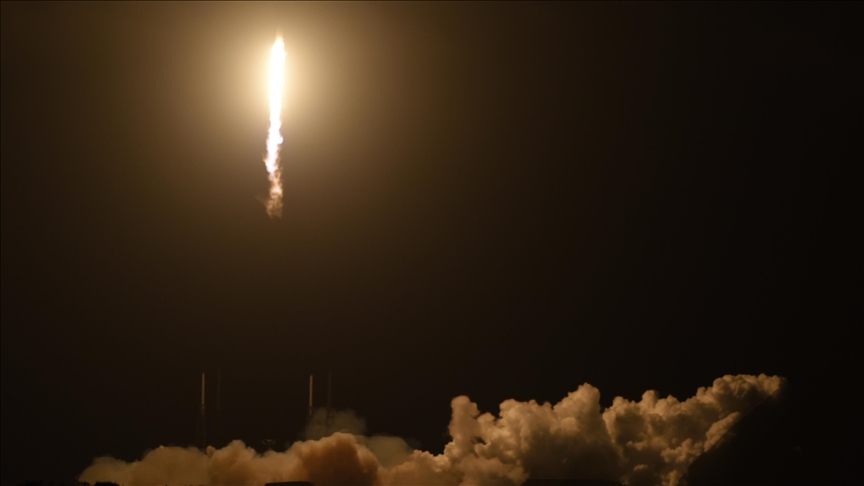
In December 2022, ispace's Hakuto-R Mission 1 spacecraft was launched aboard a SpaceX Falcon 9 rocket from Cape Canaveral.
It successfully entered lunar orbit on March 21, 2023, but ispace later announced that it had lost contact with the lander from its Tokyo control center on April 26, 2023.
It was believed the vehicle may have crashed during the landing attempt.
Kaynak:
This news has been read 346 times in total


Türkçe karakter kullanılmayan ve büyük harflerle yazılmış yorumlar onaylanmamaktadır.