
OPINION - How Trump's presidency changed European-US relations
Once-unshakable transatlantic bond, forged in the fires of shared conflicts now feels precarious. Trump’s transactional worldview, his readiness to dismantle what he sees as inequities, threatens to unravel decades of cooperation- Europe must tackle Trump’s disdain for multilateralism while safeguarding its own interests. The key lesson? Fractured responses will not suffice.- It is about whether Europe can wield influence in an era where alliances are transactional and power flows from unpredictability. For
By Dr. Imran Khalid
-The author is a geostrategic analyst and freelance columnist on international affairs.
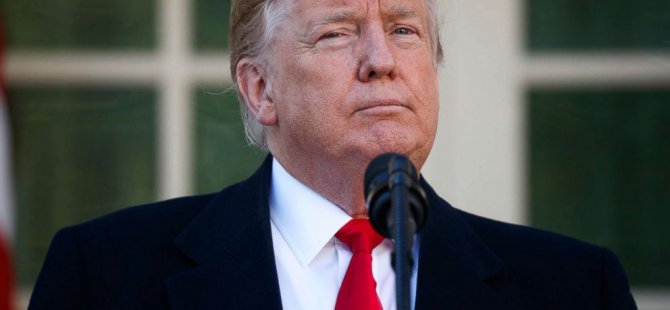
ISTANBUL (AA) - The ties between Europe and the United States have rarely been under such profound strain since 1945. The specter of a second Trump presidency looms large, casting a shadow over alliances that have long underpinned the global system. His disdain for what he perceives as European freeloading – relying on American military might without bearing its costs – has rattled the foundations of NATO, the bedrock of Western security. Europe, for its part, is hardly in a position to respond with unity. France and Germany, the continent’s traditional powerhouses, are struggling with political fragmentation and economic strain. The once-unshakable transatlantic bond, forged in the fires of shared conflicts – from Kuwait to Ukraine – now feels precarious. Trump’s transactional worldview, his readiness to dismantle what he sees as inequities, threatens to unravel decades of cooperation. While his predecessors grumbled about Europe’s defense spending, none wielded the sledgehammer he now raises.
- Europe is worried
US President Trump's recent call with Putin, which ostensibly indicated a dramatic change in US attitude, has certainly rocked the European Union. Together with his disparagement of Ukrainian President Volodymyr Zelenskyy, Trump's choice to abandon the US-led campaign to isolate Russia over its activities in Ukraine has drawn great alarm in the EU. European leaders are worried of Trump's volatility. For obvious reasons, at the recent Munich Security Conference, European leaders were seriously concerned over Donald Trump's apparent attempts to adopt a different line. Discussions in the conference chambers revolved around Europe needing to strengthen its own defense and lower its dependence on US military aid. The EU leaders displayed a more fundamental worry about the future direction of transatlantic relations. The transatlantic alliance, once a pillar of geopolitical stability, now faces an unavoidable reckoning. European capitals understand the arithmetic: defense budgets must surge toward 5% of gross domestic product, a figure once deemed unthinkable. Nations like Poland and Estonia, haunted by Russia’s war in Ukraine, have already embraced this calculus, swallowing the economic sacrifices as the cost of survival. Yet even as Europe inches toward self-reliance, a gnawing question lingers: Will Washington stand with them if crisis strikes? The ambiguity of Trump 2.0 looms like a fog over NATO’s Article 5, the sacred covenant of collective defense now shrouded in doubt.
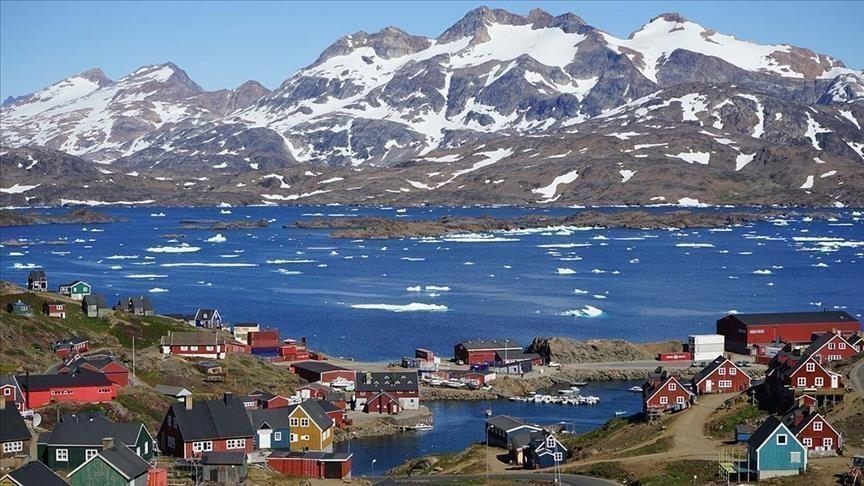
The notion of a tussle over Greenland might sound like a plot ripped from a geopolitical satire - until you consider the players involved. Denmark, a stalwart NATO ally and EU member, now finds itself navigating a diplomatic minefield, one where Trump’s whimsy collides with centuries-old sovereignty. This is not merely about icy terrain or mineral riches; it is a test of whether alliances forged in the fires of postwar unity can withstand the frost of transactional politics. Reports that European troops could be dispatched to Greenland -an idea floated and then shelved- highlight the absurdity of the situation. Denmark, ever pragmatic, prefers dialogue to drama, but the specter of coercion looms. Imagine a founding NATO member struggling to rally allies against the very partner that once anchored its defense. The irony is as biting as the Arctic wind.
- Economy before diplomacy
Tariffs slapped on allies like Canada and Mexico -met with retaliation – signal a world where economic brinksmanship takes precedence over diplomacy. The EU, squarely in Trump’s crosshairs, faces a grim choice: swallow the poison pill of tariffs or escalate a conflict nobody wants. Denmark’s quiet resolve – to let Greenlanders decide their future- clashes with an era where might often masquerades as right. One wonders that if Greenland becomes a bargaining chip, what sacred covenant is next? The world has entered an age of diplomatic tightropes, where every gesture carries the weight of unraveling order. Trump’s America, with its blunt-force pragmatism, demands a re-imagining of alliances, not through grand visions, but fractured bargains. The tariff wars, those crude instruments of economic nationalism, hang like storm clouds over transatlantic ties. Can Europe temper his protectionist zeal? Perhaps, but only through concessions that feel like setbacks. In Ukraine, a war-weary West confronts a paradox: the desire for peace colliding with the terror of a compromised resolution. Trump’s pledge to end the conflict echoes with the unsaid: What price will Kyiv pay?
The Middle East offers no respite. His administration brokered a ceasefire, but the latter phases of the deal remain uncertain. Will Israel honor its vows without his ironclad pressure? Unlikely. The Iran dilemma, a perennial flashpoint in US-Europe relations, looms once more, a test of transatlantic cohesion in the face of Trump’s mercurial statecraft. European capitals brace for a sequel to his first-term turbulence, where the nuclear deal’s collapse left allies scrambling. Now, whispers of renewed engagement with Tehran stir cautious hope. The EU, scarred but pragmatic, may quietly nudge Washington toward dialogue, offering blueprints for a deal that balances sanctions relief with regional de-escalation. Yet this demands nuance: Europe must tackle Trump’s disdain for multilateralism while safeguarding its own interests. The key lesson? Fractured responses will not suffice. Trump’s unilateralism thrives on division, making European unity more crucial than ever. A disjointed continent, pursuing patchwork diplomacy, risks irrelevance. But collective action -channeling shared economic heft and diplomatic grit- could carve space at the negotiating table. The stakes transcend Iran. It is about whether Europe can wield influence in an era where alliances are transactional and power flows from unpredictability. For now, the answer lies in Brussels’ ability to speak with one voice - a feat as elusive as it is essential.
*Opinions expressed in this article are the author’s own and do not necessarily reflect Anadolu's editorial policy.
Kaynak:
This news has been read 580 times in total




Türkçe karakter kullanılmayan ve büyük harflerle yazılmış yorumlar onaylanmamaktadır.