
OPINION - Pakistan and the Taliban: The blowback no one wanted
Pakistan has more to lose from uncontrolled escalation. Afghanistan under the Taliban is already sanctioned, isolated, and conflict-hardened. Pakistan, however, is seeking economic stabilization, foreign investment, and diplomatic rehabilitation
By Dr. Hassan Abbas
- The author is a Washington DC-based scholar and author of The Return of the Taliban: Afghanistan After Americans Left (Yale University Press, 2024).
ISTANBUL (AA) - The latest cross-border strikes between Pakistan and Afghanistan signal something far more serious than episodic border friction. They reflect a relationship collapsing under the weight of history, mistrust, and terrorist sanctuaries. Islamabad’s kinetic response to Tehreek-i-Taliban Pakistan (TTP) safe havens inside Afghanistan -- and Kabul’s refusal or incapacity to help its longtime benefactor, Pakistan -- has pushed both sides toward a dangerous war-like posture.
There is deep irony here. Pakistan was not a passive bystander in the Taliban’s rise. From the mid-1990s onward, Islamabad provided diplomatic backing, logistical space, and, most importantly, sanctuary. After 2001, elements within Pakistan tolerated or enabled Taliban leadership networks operating from its soil. Without cross-border sanctuaries in Pakistan’s tribal belt and urban centers, the Taliban insurgency against US and NATO forces would have struggled to regenerate. History now returns the favor. The sanctuary logic that once served Pakistan’s regional calculus now undermines its own internal security.
- The TTP as a strategic insurance policy
Islamabad’s central grievance is clear: the Afghan Taliban have failed to decisively curb the TTP. Pakistani officials argue that ideological affinity, tribal overlap, and battlefield camaraderie have translated into indulgence. From Islamabad’s perspective, this concern is not unfounded. Allowing militant networks to operate from Afghan territory disregards both the historical support Pakistan extended to the Taliban and the basic norms of interstate responsibility to prevent cross-border terrorism. From Kabul’s vantage point, however, the TTP is not simply a liability -- it is also an insurance policy. Afghan Taliban leaders remember their years of exile. They know that the porous Durand Line and sympathetic tribes in Pakistan’s borderlands once offered them recruits, refuge, and revenue. In a worst-case scenario -- if internal fractures deepen or external pressure mounts -- those same networks could again become vital. Severing ties with the TTP entirely would close off that strategic fallback.
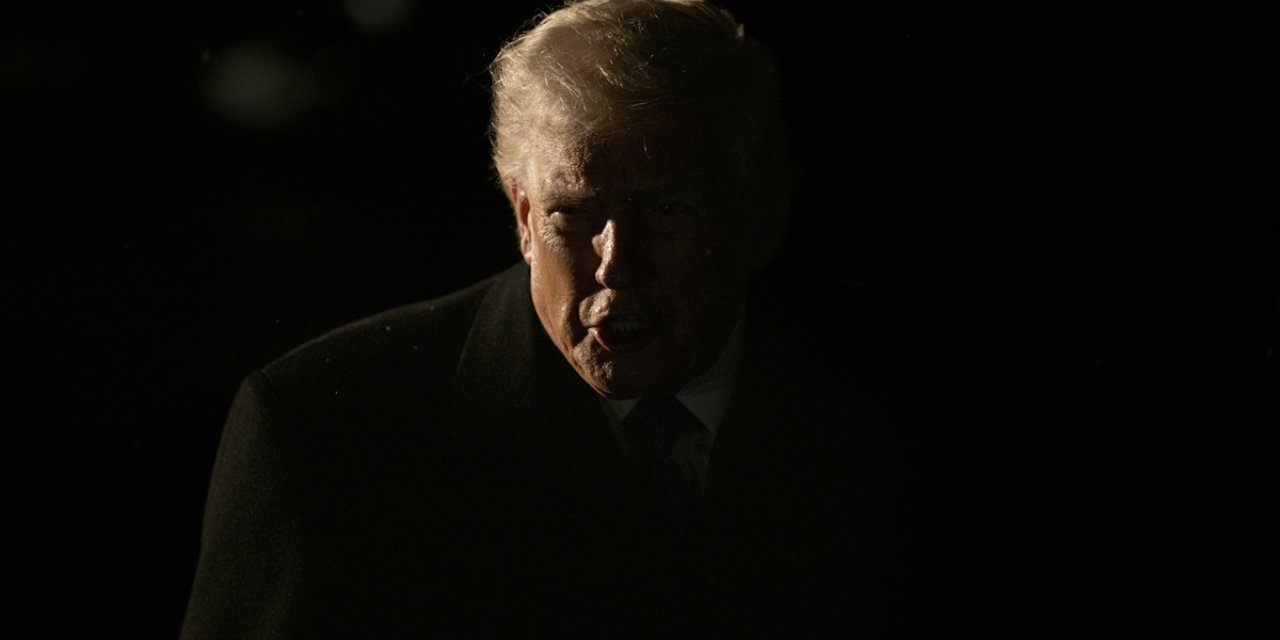
Some Afghan Taliban officials argue that Pakistan has exaggerated the TTP threat to sway domestic opinion and justify possible military action against Afghanistan. They believe the narrative is meant to create public support for conflict and is linked to a broader plan, possibly associated with US President Donald Trump, to target leftover American military bases and weapons in Afghanistan.
Yet there is another crucial lens through which to view all this: the capacity challenge. The Afghan Taliban today govern a bankrupt, diplomatically isolated state with limited institutional reach. Their security apparatus is cohesive in some areas but fragmented in others. The TTP, battle-hardened and decentralized, is not a small militia that can be dismantled overnight. Even if Kabul were fully committed -- and evidence suggests ambivalence rather than resolve -- its ability to neutralize the TTP is constrained by weak intelligence infrastructure, economic fragility, and internal factional politics. Ideology may blur lines, but governance exposes limitations.
These internal dynamics are compounded by leadership centralization and factional strain. Authority rests overwhelmingly with supreme leader Hibatullah Akhundzada, whose rigid decrees increasingly define state policy. More pragmatic figures appear sidelined or constrained, reflecting widening internal divisions within the movement. The marginalization of alternative voices narrows policy flexibility and reinforces hardline positions, making compromise with Islamabad more difficult. Such an egotistic worldview creates further hurdles.
- The erosion of legitimacy and social resilience
Equally troubling are the Taliban’s draconian policies toward women’s education and public participation. The near-total exclusion of girls from secondary and higher education has not only deepened Afghanistan’s humanitarian crisis but also eroded the regime’s international legitimacy and social resilience.
Compounding tensions are Kabul’s recent diplomatic gestures toward India. Public signs of engagement -- trade talks, consular interactions, and symbolic reciprocity -- have unsettled Pakistan’s security establishment. For decades, strategic depth in Afghanistan was framed as essential to countering Indian influence. Watching New Delhi cautiously reopen channels with Kabul triggers old anxieties in Rawalpindi. The perception that the Taliban might diversify their partnerships, even pragmatically, intensifies Pakistan’s sense of encirclement and betrayal.
Meanwhile, mediation efforts have quietly faltered. Saudi, Qatari, and Turkish attempts to ease tensions and facilitate security understandings between Islamabad and Kabul have not produced durable breakthroughs. This failure is troubling. It signals not only mistrust between the two capitals but also the absence of a viable regional security mechanism capable of managing cross-border militancy. When middle powers with leverage and channels to both sides cannot broker even limited confidence-building measures, the structural fragility of the region becomes evident.
- A wider fault line: The Middle Eastern connection
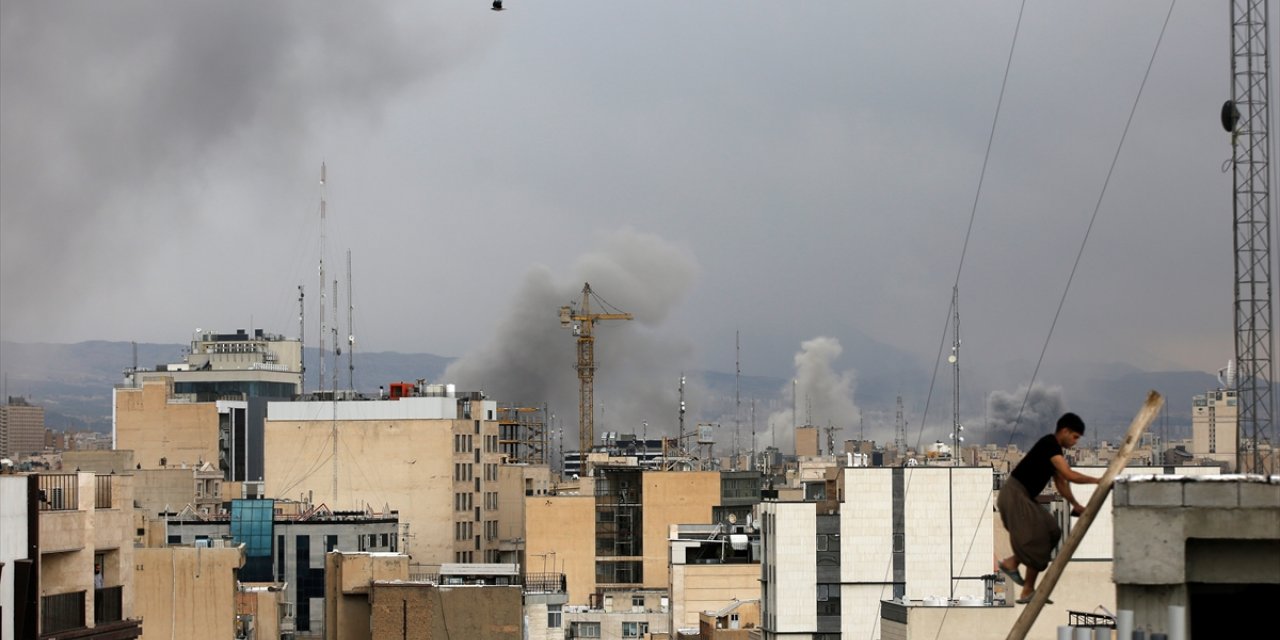
Overlaying this South Asian dynamic is a broader Middle Eastern upheaval that further complicates Islamabad’s calculus. US and Israeli military strikes on Iran targeting security and political institutions -- including the elimination of supreme leader Ayatollah Ali Khamenei -- and Tehran’s retaliation targeting US bases in Gulf Cooperation Council (GCC) countries and Israel have reopened a wider regional fault line, threatening broader escalation. The risk of miscalculation is acute. Inside Pakistan, the implications are politically sensitive, as the country has a diverse Muslim population, many of whom are sympathetic towards Iran across sectarian identities, making Islamabad’s strategic calculus even more complicated.
Inside Pakistan, the TTP’s escalating attacks have created acute domestic pressure. Targeting military convoys, police stations, and intelligence facilities, the group has started chipping away at the morale and operational confidence of Pakistan’s security institutions. In this context, cross-border strikes serve not only as deterrence but also as domestic signaling: the state will not tolerate sanctuaries next door. Strong retaliation against perceived Afghan inaction becomes politically necessary to restore deterrence credibility at home. At the same time, defeating the TTP will ultimately require a more comprehensive counterterrorism strategy inside Pakistan itself -- including stronger police-led investigations, better intelligence work, and sustained capacity building of civilian law enforcement institutions.
But escalation carries asymmetric risks. The Afghan Taliban have demonstrated, over three decades, that they endure and even consolidate in protracted conflict environments. War sharpens their cohesion and reinforces their narrative of resistance. Pakistan, by contrast, faces a weak economy, polarized politics, and multiple internal security fronts. If Kabul were to respond by tacitly encouraging or facilitating a broader militant campaign inside Pakistan, the consequences could be serious.
In the final analysis, Pakistan has more to lose from uncontrolled escalation. Afghanistan under the Taliban is already sanctioned, isolated, and conflict-hardened. Pakistan, however, is a nuclear-armed state seeking economic stabilization, foreign investment, and diplomatic rehabilitation. A long war along the western frontier would sap resources, deter investors, and deepen internal fractures. History’s irony has become strategic blowback.
It is tragically symbolic that many of these violent escalations are unfolding in the holy month of Ramadan, a period traditionally associated with reflection, peace, and humanitarian compassion. The timing only deepens the human cost of geopolitical rivalries and underscores the urgent need for de-escalation, diplomatic engagement, and a return to values that transcend tactical interests.
*Opinions expressed in this article are the author's own and do not necessarily reflect Anadolu's editorial policy.
Kaynak:
This news has been read 95 times in total



Türkçe karakter kullanılmayan ve büyük harflerle yazılmış yorumlar onaylanmamaktadır.